Keeping cattle on a small farm can be incredibly rewarding, but even a few cows come with plenty of everyday responsibilities. Good fencing, dependable water, proper nutrition, and a handful of basic supplies can make daily care much easier.
You don’t need a barn filled with expensive equipment to be prepared. For a small herd, it often makes more sense to focus on practical essentials—the things that help you handle everyday feeding and care while also making it easier to notice when something isn’t quite right.
Whether you’re new to keeping cattle or simply trying to make your farm routine more organized, here are some practical cattle-care essentials worth considering for a small farm.
1. Reliable Water Is the First Essential
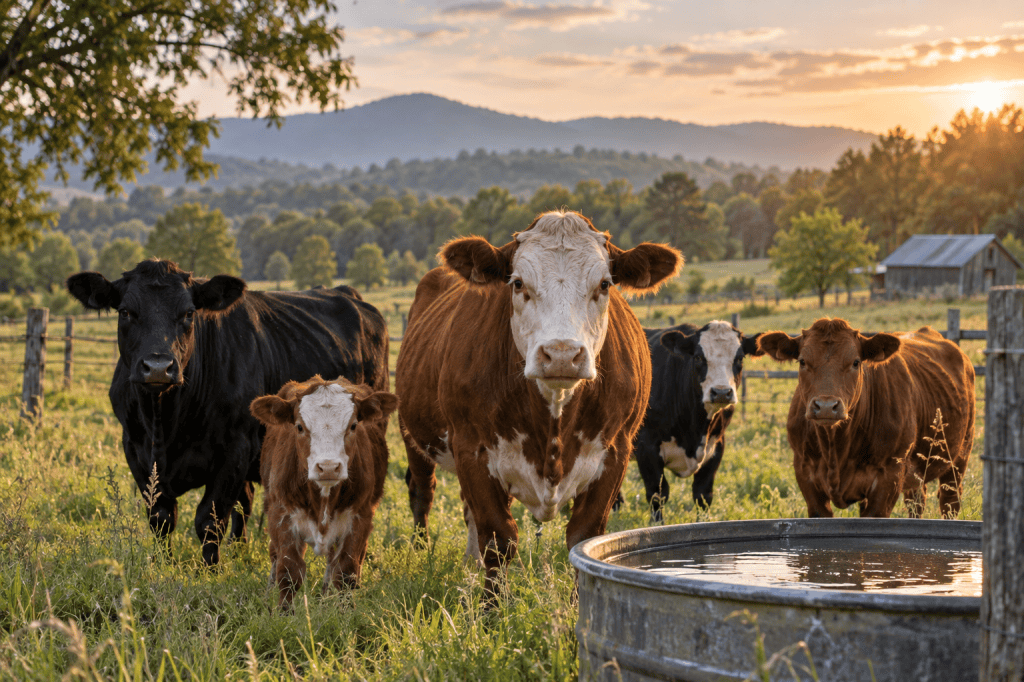
Cattle need dependable access to clean, fresh water every day, so a reliable watering setup is one of the most important parts of keeping a small herd.
Stock tanks, automatic waterers, and other livestock watering systems can all work well depending on your property and setup. Whatever you use, check it regularly for leaks, damage, algae buildup, and anything else that could affect the water supply.
Weather matters too. Hot summer days can increase water needs, while freezing temperatures can create an entirely different set of problems. Having a plan for both extremes can save a lot of frustration.
Make checking the water part of your everyday routine rather than assuming a full tank or working waterer from earlier in the day is still fine. With livestock, the simple things are often the most important.
2. Keep Minerals Available and Protected
A properly chosen cattle mineral program can be an important part of meeting nutritional needs that forage alone may not always cover. What your cattle need can vary with their age, stage of production, forage, season, and local soil conditions.
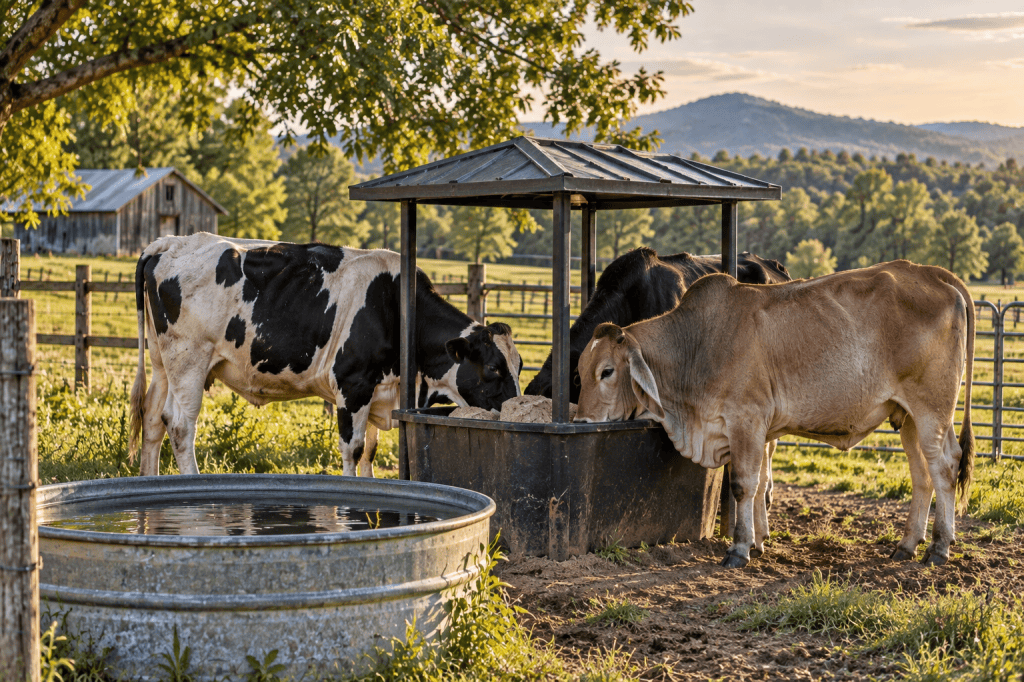
Keep loose mineral in a sturdy cattle mineral feeder that protects it from rain and keeps it accessible to the herd. Check the feeder regularly so it doesn’t sit empty or become wet, dirty, or contaminated.
Rather than choosing supplements simply because another farm uses them, work with your veterinarian, livestock nutritionist, or local extension professional when you’re unsure what is appropriate for your herd. A forage or soil analysis can also provide useful information.
Once you have a mineral plan that fits your cattle, keeping the feeder filled and monitoring consumption can become a simple part of your regular farm routine.
3. Have a Dependable Hay and Feeding Setup
When pasture isn’t providing enough forage, good-quality hay becomes an important part of feeding cattle. Having a dependable way to store and offer hay can make everyday chores much easier, especially through winter or dry periods.
Store hay where it can stay as dry as possible and check it before feeding for mold, excessive moisture, unusual odors, or other signs of spoilage. Keeping hay protected from weather can also help reduce unnecessary waste.
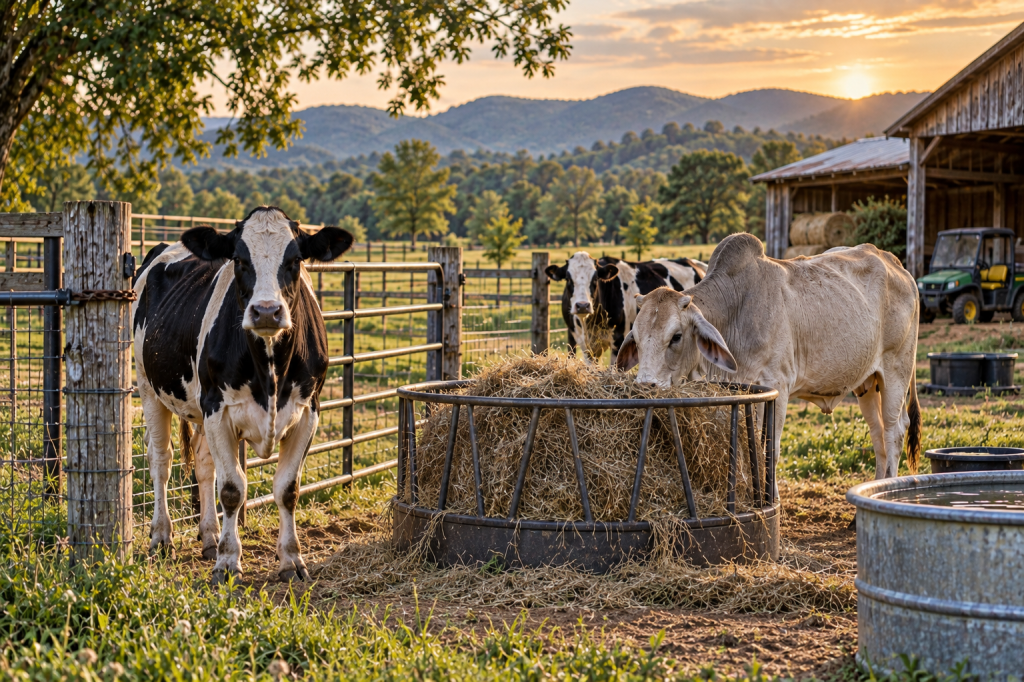
The right feeder will depend on your herd size, the type of hay you feed, and your setup. Whether you use a round-bale feeder, hay ring, bunk, or another system, make sure cattle can access it safely and that the equipment stays in good repair.
Keep an eye on body condition and how quickly the herd is going through forage. If you’re unsure whether your cattle are getting what they need, your veterinarian or local extension professional can help you evaluate the feeding program.
4. Keep Basic Cattle-Care Supplies Together
A few basic supplies are much more useful when you know exactly where to find them. Instead of letting cattle-care items get scattered throughout the barn, keep a designated box, cabinet, or shelf for the things you regularly need.
Depending on your herd, this might include livestock thermometers, grooming tools, disposable gloves, wound-cleaning supplies, flashlights, and other basic equipment recommended by your veterinarian. Keep medications and veterinary products in their original labeled containers and store them according to their directions.
It’s also helpful to periodically check expiration dates and replace damaged or outdated supplies. You don’t want to discover that something is missing when you actually need it.
For illnesses, injuries, medication decisions, or anything you’re unsure about, contact your veterinarian rather than trying to turn the farm supply cabinet into a substitute for veterinary care.
5. Make Fly Control Part of the Routine
Flies can become a major nuisance for cattle during warm weather, so it helps to think about fly control before they become overwhelming. A good approach often uses more than one method rather than relying on a single product.
Depending on your herd and setup, options may include approved cattle fly sprays, rubs, dust bags, ear tags, or other livestock fly-control products. Keeping feeding and watering areas reasonably clean and managing manure and wet areas where possible can also be part of the overall plan.
Always choose products specifically labeled for use on cattle and follow the label directions carefully. Some products have age, application, withdrawal, or other restrictions that need to be considered.
Your veterinarian or local extension professional can also help you develop a fly-control plan appropriate for your area, particularly if a method that worked in the past no longer seems effective.
6. Check Fences and Gates Regularly
Good fencing is one of those things you may not think much about until there’s a cow standing somewhere it definitely isn’t supposed to be. 😂 Making fence and gate checks part of your normal routine can help you catch small problems before they become much bigger ones.
Walk your fence lines periodically and look for loose or broken wire, damaged posts, fallen branches, washed-out areas, and anything else that could weaken the barrier. If you use electric fencing, check that it’s operating properly and that vegetation or damage isn’t interfering with it.
Gates deserve attention too. Make sure hinges, latches, chains, and other hardware remain secure and easy to operate. High-traffic areas around gates can become muddy or worn and may need occasional maintenance.
Cattle are large, strong animals, so fencing and gates should be appropriate for livestock and your particular setup. A few minutes spent checking them regularly can prevent a much more interesting afternoon than you had planned. 😂
7. Make Daily Observation Part of Cattle Care
One of the most useful cattle-care tools doesn’t cost anything at all: simply spending a little time observing your herd every day.
As you feed, check water, or walk through the pasture, notice how each animal is moving, eating, drinking, and interacting with the rest of the herd. When you know what is normal for your cattle, changes can be easier to spot.
Watch for things such as an animal separating from the herd, changes in appetite, unusual behavior, difficulty moving, or anything else that seems different from normal. These observations aren’t a diagnosis, but they can tell you when it’s time to take a closer look or contact your veterinarian.
Keeping simple records can help too, especially for vaccinations, treatments, breeding dates, calving information, and other important events. You don’t need a complicated system—just one you’ll actually keep up with.
Good Cattle Care Starts With the Basics
Caring for cattle on a small farm doesn’t have to involve a barn full of complicated equipment. Reliable water, appropriate nutrition, secure fencing, useful everyday supplies, and a consistent routine can provide a strong foundation for managing a small herd.
Start with the essentials and build your setup around the cattle you actually have and the way your farm operates. What works for one property or herd may not be exactly right for another, and that’s okay.
Most importantly, pay attention to your animals. Knowing their normal routines and behavior can help you recognize when something changes and when it’s time to call your veterinarian or another livestock professional.
At Cartecay James, we believe practical animal care doesn’t have to be fancy. Sometimes the best farm systems are simply the ones that are dependable, manageable, and make caring for the animals a little easier every day. ❤️
 Cartecay James
Leave a comment