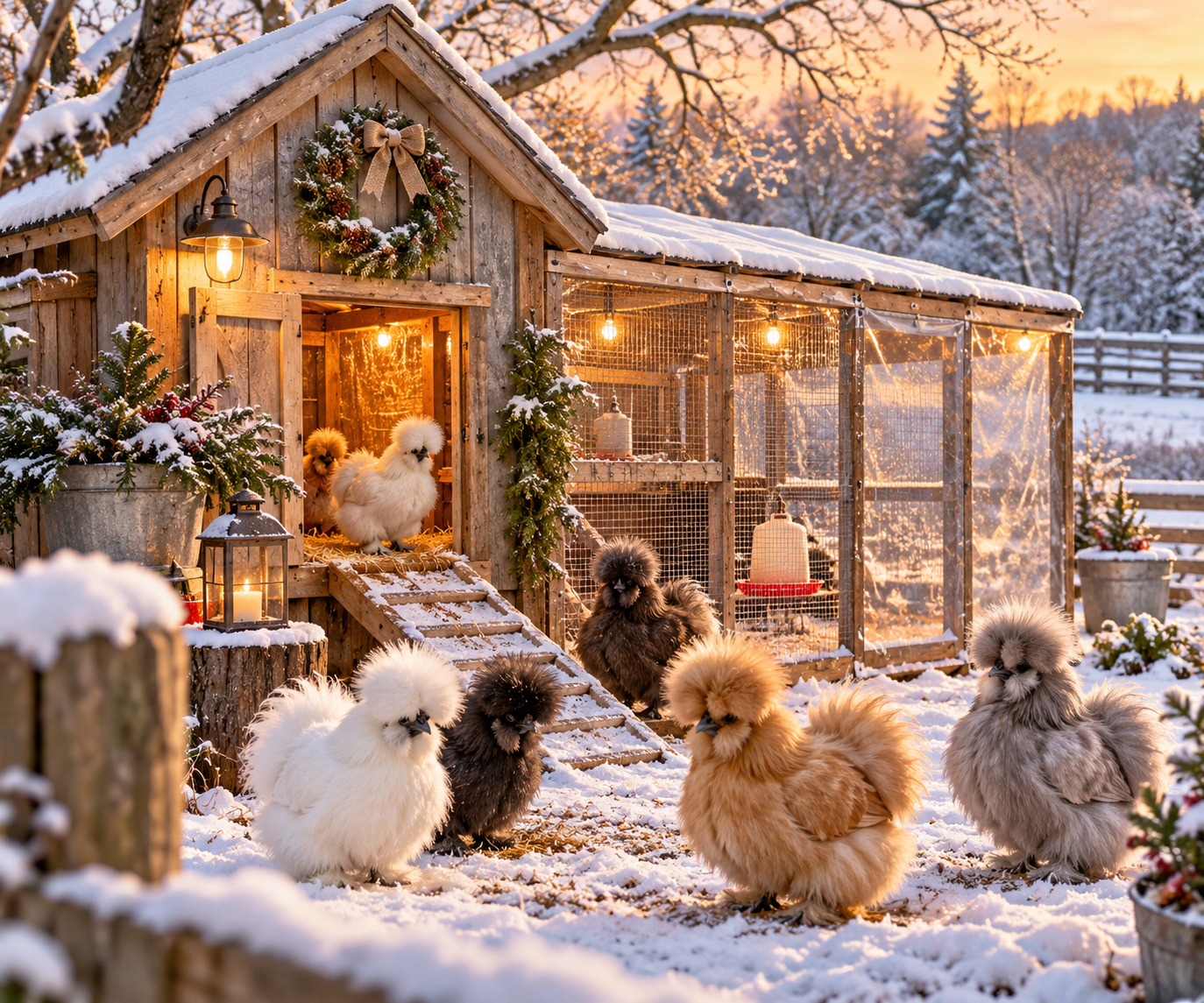
When the weather starts turning colder, it’s natural to worry about whether your chickens will be warm enough.
You start thinking about extra bedding, drafty windows, frozen waterers and whether that old chicken coop is really ready for another winter.
And if you’ve ever walked outside on a freezing morning to find a solid block of ice where your chickens’ drinking water should be, you know winter chicken keeping comes with its own little challenges. 😂
But here’s something that surprises many new chicken keepers.
Cold weather itself isn’t always the biggest problem for a healthy, fully feathered chicken.
Moisture, poor ventilation, unsafe heating methods and a few common coop mistakes can actually make winter harder on your flock than it needs to be.
The goal isn’t to turn your chicken coop into a heated house.
It’s to provide a dry, well-ventilated, predator-safe shelter where your chickens can stay comfortable and protected from harsh weather.
And while most healthy adult chickens handle cold temperatures remarkably well, some birds need a little extra attention. Silkies, young birds, older chickens and those with health problems may be more vulnerable, especially when they’re wet or exposed to freezing conditions.
The good news is that preparing your coop for winter doesn’t necessarily mean spending a fortune or rebuilding everything.
Sometimes the biggest improvements come from correcting a few simple mistakes before the first hard freeze arrives.
Here are 9 winter chicken coop mistakes worth avoiding to help keep your flock safer, drier and more comfortable when temperatures drop.
1. Closing Up Every Vent to Keep the Cold Air Out
When temperatures start dropping, one of the first things chicken keepers often want to do is close every window, cover every opening and seal up the coop as tightly as possible.
After all, if cold air is getting inside, surely the chickens must be freezing.
But a completely sealed chicken coop can actually create more problems than it solves.
Chickens need fresh air in winter, too.
Every time your flock breathes, they release moisture into the air. Their droppings also contribute moisture and ammonia, especially when bedding becomes damp.
Without proper ventilation, that moisture can build up inside the coop.
And when warm, humid air meets cold surfaces, condensation can form on walls, windows and even the ceiling.
That’s exactly what you don’t want during freezing weather.
Damp conditions can contribute to frostbite and respiratory problems, particularly when ammonia is allowed to accumulate.
The trick is understanding the difference between ventilation and drafts.
Ventilation allows stale, moist air to escape and fresh air to circulate.
Drafts are direct streams of cold air blowing across your chickens while they’re resting on their roosts.
Those are two very different things.
Ideally, a winter coop should have ventilation openings positioned high enough that air can circulate without blowing directly onto roosting birds.
Make sure those openings are protected with secure hardware cloth to keep predators out.
You can block unwanted drafts around the roosting area without sealing the entire coop.
And if you notice condensation on the windows, damp bedding or a strong ammonia smell, it’s worth checking whether your coop needs better airflow or more frequent cleaning.
The goal is a dry, draft-protected coop with plenty of fresh air—not an airtight one.
Sometimes keeping chickens comfortable in winter means letting a little cold air in so the moisture can get out. ❤️
2. Letting Bedding Stay Damp During Cold Weather
One of the easiest winter coop problems to overlook is damp bedding.
During warmer months, a little spilled water or a wet patch near the doorway might not seem like a big deal.
But when temperatures drop, moisture becomes a much bigger concern.
A dry chicken coop is often more important than a warm chicken coop.
Wet bedding can increase humidity, encourage ammonia buildup and create uncomfortable conditions for chickens spending more time indoors.
And if temperatures fall below freezing, damp areas can become icy.
This is especially important for Silkies and other chickens that spend much of their time resting on the coop floor.
Unlike many traditional chicken breeds, Silkies often prefer sleeping together in a little fluffy pile rather than using high roosts.
Which is adorable, of course. 😂❤️
But it also means the condition of their bedding deserves extra attention.
How to Keep Coop Bedding Drier in Winter
A few simple habits can make a big difference:
● Check bedding regularly, especially beneath roosts and around waterers.
● Remove wet or heavily soiled areas promptly.
● Keep drinking water where spills are less likely to soak the bedding.
● Repair roof leaks and prevent rain from blowing through openings.
● Use suitable, absorbent bedding and replace it whenever it becomes damp or dirty.
Some chicken keepers use a managed deep-litter system during winter, but that requires proper ventilation, dry conditions and regular monitoring. Simply piling fresh bedding over wet, smelly material isn’t the same thing.
If you notice condensation, persistent dampness or a strong ammonia smell, don’t just add another layer of shavings.
Find the source of the moisture and correct it.
And remember that even a beautifully built chicken coop can become uncomfortable if the bedding isn’t maintained.
Keeping the floor clean and dry is one of the simplest ways to make winter easier on your flock. ❤️
Looking for more ways to make daily coop chores easier? You might enjoy 10 Things That Make a Chicken Coop Easier to Clean, Use & Live With, where we share practical ideas for creating a more manageable chicken coop.
3. Forgetting About Frozen Drinking Water
If you’ve ever carried a bucket of warm water out to the chicken coop on a freezing morning, only to find everything frozen again a few hours later, you know how frustrating winter watering can be. 😂
But frozen drinking water isn’t just an inconvenience for chicken keepers.
Chickens need reliable access to fresh, unfrozen drinking water every day, even during the coldest weather.
Although chickens may drink less during winter than they do during hot summer months, they still need water for digestion, normal body functions and egg production.
And eating snow isn’t a dependable substitute for a proper supply of drinking water.
One common mistake is assuming that filling the waterer once in the morning will be enough.
During freezing weather, an ordinary waterer can turn into a solid block of ice surprisingly quickly.
Making Winter Watering Easier
There are several ways to manage frozen water:
● Check waterers frequently throughout the day during freezing temperatures.
● Keep a spare waterer available so you can swap out frozen containers.
● Position waterers in a sheltered location where they’re less exposed to wind.
● Use a heated poultry waterer or a heating base specifically designed for compatible water containers.
● Follow the manufacturer’s electrical safety instructions, including using properly rated outdoor equipment and protected electrical connections.
If you use a heated waterer, inspect its cord regularly and make sure the setup is protected from moisture, chewing and damage.
Avoid improvised heating devices or household electrical equipment that isn’t designed for poultry housing.
And remember, heated waterers still need regular cleaning and refilling.
A Helpful Winter Coop Essential
For chicken keepers who experience frequent freezing temperatures, a purpose-built heated poultry waterer can make daily chores considerably easier.
Look for one that’s appropriately sized for your flock, designed for outdoor or coop conditions and easy to clean.
A dependable source of unfrozen water is one of the most useful things you can provide your chickens during winter. ❤️
Winter Coop Essential: Heated Chicken Waterer
Tired of breaking ice out of chicken waterers every morning? A heated poultry waterer can help keep fresh drinking water available during freezing weather.

4. Using Heat Lamps Without Considering the Fire Risk
When the temperatures start dropping below freezing, it’s tempting to hang a heat lamp in the chicken coop and call it a day.
After all, we want our chickens to be comfortable.
And seeing those little feathered faces looking back at you on a freezing morning can certainly make you worry. ❤️
But here’s something every chicken keeper should understand.
Traditional heat lamps can create a serious fire hazard inside a chicken coop.
Chicken coops often contain dry bedding, feathers, dust and wooden surfaces. Add a hot bulb, electrical wiring and curious chickens that occasionally knock things around, and you have a combination that deserves serious caution.
A heat lamp can fall, become damaged or come into contact with combustible materials.
And unfortunately, coop fires can spread very quickly.
Do Chickens Really Need Supplemental Heat?
Most healthy, fully feathered adult chickens are remarkably well adapted to cold weather when they have a dry, well-ventilated shelter protected from drafts.
Their feathers provide natural insulation, and they can fluff themselves up to trap warm air close to their bodies.
That doesn’t mean every chicken will tolerate the same conditions.
Silkies, young birds, chickens that are ill or underweight, and breeds less suited to cold climates may need additional protection.
Severe or prolonged cold can also require extra precautions, even for hardy breeds.
But supplemental heat shouldn’t automatically be the first solution to every cold-weather problem.
Start by making sure your coop is dry, properly ventilated and protected from wind and precipitation.
If Your Flock Needs Extra Warmth
If additional heat is necessary, choose equipment specifically designed for poultry housing and follow the manufacturer’s installation and safety instructions.
Avoid hanging traditional heat lamps over flammable bedding or relying on improvised heaters.
Any electrical equipment should be properly installed, protected from moisture and positioned where chickens cannot damage cords or come into contact with hot surfaces.
For especially vulnerable birds, a safer option may be moving them temporarily into a suitable sheltered area where their temperature and condition can be monitored.
And remember that newly hatched chicks have very different heating requirements from fully feathered adult chickens.
The goal is to provide the warmth a bird genuinely needs without introducing unnecessary danger.
A safe, dry coop is far more valuable than a warm coop with a serious fire risk.
Sometimes the best winter preparation is knowing when not to add another piece of equipment. ❤️
5. Overlooking Drafts Around the Roosting Area
There’s a big difference between a chicken coop that feels chilly and one where cold wind blows directly across your chickens while they’re trying to sleep.
And during winter, that difference matters.
Chickens naturally fluff their feathers to trap a layer of insulating air close to their bodies.
But when a steady draft blows across their roosting area, it can disturb that insulation and make it harder for them to stay comfortable.
The goal isn’t to eliminate every bit of cold air. It’s to keep direct drafts away from resting chickens.
This is where winter coop preparation can get a little tricky.
As we discussed earlier, ventilation is essential for removing moisture and stale air.
But ventilation openings should ideally be positioned so fresh air can circulate without blowing directly onto the birds.
Check Your Coop From a Chicken’s Point of View
Before the coldest weather arrives, take a few minutes to look around the coop.
Pay particular attention to:
● Gaps in the walls directly behind or beside roosting bars.
● Windows that allow wind to blow across sleeping chickens.
● Poorly fitting doors near the roosting area.
● Openings where winter storms can drive rain or snow inside.
● Floor-level drafts that may affect chickens sleeping on the ground.
That last point is particularly important if you keep Silkies.
Many Silkies prefer sleeping together on the floor rather than using traditional high roosts.
Those fluffy little cuddle puddles are adorable, but they also mean you need to pay attention to drafts and moisture near the bedding. 😂❤️
Fix Drafts Without Sealing the Entire Coop
Small gaps near roosts can often be repaired with properly fitted boards or other suitable materials.
You may also be able to adjust window coverings or add a windbreak to protect a particularly exposed area.
Just be careful not to cover essential ventilation openings.
And don’t forget to check the coop during windy weather.
An opening that seems harmless on a calm afternoon might send a surprisingly strong draft across the roosts when the wind changes direction.
A good winter coop allows fresh air to circulate while giving chickens a dry, protected place to rest.
You don’t need to make the whole building warm.
You simply need to make sure your flock has somewhere comfortable to settle in when the winter wind starts blowing. ❤️
6. Forgetting That Frostbite Can Happen Even Inside the Coop
It’s easy to assume that once your chickens are safely tucked inside their coop for the night, they’re completely protected from winter weather.
But frostbite can still happen inside a chicken coop, particularly during freezing temperatures when moisture and poor ventilation become problems.
A roof over their heads doesn’t automatically mean chickens are protected from frostbite.
Frostbite occurs when exposed body tissues freeze, and chickens are especially vulnerable around their combs, wattles and sometimes their feet.
Breeds with large, upright combs can be particularly susceptible because those exposed areas have less protection from insulating feathers.
Roosters with large combs and wattles often need a little extra attention during severe cold.
And while Silkies usually have smaller walnut-shaped combs, that doesn’t mean they’re completely protected from winter-related problems.
What Should You Watch For?
During freezing weather, pay attention to changes in exposed skin, including:
● Unusually pale, grayish or discolored areas on the comb or wattles.
● Swelling or tenderness.
● Darkened tissue that develops after cold exposure.
● Changes in walking or reluctance to put weight on a foot.
Keep in mind that dark comb pigmentation is normal in some breeds, including Silkies. What matters is noticing changes from your chicken’s usual appearance.
If you suspect frostbite, move the affected bird to a dry, sheltered location and contact a veterinarian for guidance.
Avoid rubbing, massaging or applying direct heat to frozen tissue, and don’t attempt to remove damaged areas yourself.
How to Reduce the Risk of Frostbite
One of the best ways to protect your flock is to manage moisture inside the coop.
Make sure ventilation allows humid air to escape without creating direct drafts across resting birds.
Keep bedding dry, repair leaks and prevent waterers from spilling onto the floor.
During particularly harsh weather, check vulnerable birds more frequently and make sure they have access to suitable shelter.
Don’t rely on petroleum jelly or other topical products as a guaranteed way to prevent frostbite. They aren’t a substitute for proper housing and winter management.
And remember that wet feathers and feet can create additional problems when temperatures drop.
The best frostbite prevention starts with a dry, well-ventilated coop and protection from severe cold and wind.
Sometimes the most important winter chore isn’t adding more warmth.
It’s making sure your chickens can stay dry. ❤️
7. Forgetting to Prepare the Chicken Run for Winter
When we’re getting ready for cold weather, it’s easy to spend all our time worrying about the inside of the chicken coop.
We check the bedding, inspect the roosts and make sure the waterers won’t freeze.
But what about the chicken run?
A comfortable winter setup includes a safe, usable outdoor space whenever weather conditions allow.
Chickens still enjoy scratching, exploring and spending time outside during colder months.
And let’s face it, a flock that’s been stuck inside for several days can start acting like a group of feathered little troublemakers. 😂
The problem is that winter weather can turn an ordinary chicken run into a muddy, icy mess.
Rain, melting snow and constant foot traffic can leave the ground saturated.
When temperatures drop again, those wet areas may freeze, creating slippery surfaces and uncomfortable conditions for your flock.
Making the Chicken Run More Winter-Friendly
A few simple improvements can help:
● Provide a covered area. A properly secured roof or shelter can give chickens somewhere to escape rain and snow.
● Improve drainage. Redirect runoff away from the run and address areas where water regularly collects.
● Maintain suitable ground covering. Coarse wood chips intended for outdoor animal areas can help manage muddy spots when used over well-drained ground.
● Create wind protection. A securely attached windbreak can provide relief from cold gusts without enclosing the entire run.
● Keep pathways safe. Watch for icy areas around gates, waterers and frequently used entrances.
● Offer sheltered activities. A few sturdy logs, safe perches or scattered scratch grains can encourage natural behavior when outdoor conditions are suitable.
Avoid using moldy wood chips or materials treated with chemicals that aren’t appropriate around poultry.
And remember that adding more material over standing water won’t solve a serious drainage problem.
Don’t Force Chickens Outside During Severe Weather
Some chickens will happily venture outside on a chilly morning.
Others will take one look at the snow and decide they’re staying indoors, thank you very much. 😂
Both reactions are perfectly normal.
During severe storms, dangerous wind chills or icy conditions, your flock may need to remain in a protected shelter.
This is especially important for Silkies, whose unusual feather structure provides less effective water resistance than the feathers of many other breeds.
If Silkies become soaked during freezing weather, they can have a harder time staying warm.
Make sure they always have somewhere dry to retreat.
A winter-ready chicken run doesn’t have to be fancy. It just needs to offer safe footing, shelter and protection from the worst of the weather.
Because keeping chickens comfortable in winter is about more than what happens inside the coop. ❤️
If your chickens need a little more to do when the weather keeps them close to home, take a look at 7 Things Chickens Need in Their Run Besides Food and Water for simple ideas that encourage natural chicken behavior.
Winter Chicken Run Essential: Clear Windbreak Tarp
Cold winter winds and blowing rain can make a chicken run uncomfortable. A heavy-duty clear tarp can help protect exposed sides while still allowing natural daylight inside.
Secure it properly, leave adequate ventilation and give your chickens a sheltered place to enjoy their run during colder weather.

8. Not Checking the Coop for Winter Predator Problems
When winter arrives, most chicken keepers are thinking about freezing temperatures, snow and keeping their flock comfortable.
But there’s another important part of winter coop preparation that’s easy to overlook.
Making sure your chicken coop is still secure against predators.
Cold weather doesn’t mean predators suddenly stop looking for an easy meal.
Raccoons, foxes, coyotes, weasels and other predators may continue hunting throughout winter.
And as natural food sources change with the seasons, a poorly secured chicken coop can become an attractive target.
Even a coop that seemed perfectly secure during summer deserves another inspection before winter.
Wood can deteriorate, hardware can loosen and small gaps can develop around doors, windows and roofing.
And unfortunately, some predators need only a surprisingly small opening to get inside.
Give Your Coop a Winter Security Check
Before the coldest weather arrives, take a few minutes to inspect these areas:
● Doors and latches. Make sure doors close tightly and have secure, predator-resistant latches.
● Windows and ventilation openings. Cover accessible openings with securely fastened, appropriately sized hardware cloth.
● Walls and corners. Look for loose boards, damaged wood or gaps that could allow predators inside.
● Roof edges. Check for openings where climbing animals might gain access.
● The ground around the coop. Watch for signs of digging along fences and foundations.
● Run fencing. Repair loose wire, damaged posts and weak connections before winter storms make them worse.
Ordinary chicken wire isn’t reliable protection against determined predators.
For vulnerable openings, sturdy hardware cloth is generally a better choice when properly installed.
And remember that a secure chicken run doesn’t necessarily mean the coop itself is safe overnight.
Winter Evenings Can Sneak Up on You
One thing I always notice as the seasons change is how quickly the evenings get dark.
During summer, there’s plenty of daylight left when evening chores begin.
But by late autumn, you can suddenly find yourself heading outside with a flashlight because the chickens need to be tucked in.
And the chickens certainly don’t care that you still have seventeen other things to do. 😂
Shorter days make it especially important to establish a dependable evening routine.
Make sure every bird is accounted for and that coop doors are securely closed before nighttime.
An automatic chicken coop door can be convenient, but it still needs regular inspection to make sure it’s operating correctly and no chickens are left outside.
A winter-ready coop should protect chickens from predators just as carefully as it protects them from the weather.
Because a warm, dry shelter doesn’t do much good if something can get inside after dark. ❤️
9. Waiting Until the First Hard Freeze to Prepare Everything
There’s nothing quite like discovering a problem with your chicken coop on the coldest morning of the year.
The waterer is frozen solid. The door won’t latch properly. There’s a draft blowing across the roosts.
And naturally, you discover all of this while standing outside in your pajamas and barn boots. 😂
One of the biggest winter chicken keeping mistakes is waiting until freezing weather arrives to start preparing.
Most winter coop problems are much easier to fix on a pleasant autumn afternoon than during a freezing rainstorm.
And preparing early doesn’t mean spending a fortune on new equipment.
It simply means taking a little time to make sure everything is ready before your flock really needs it.
Your Winter Chicken Coop Checklist
Before the first hard freeze, walk through your coop and check a few important things:
● Ventilation: Make sure fresh air can circulate without creating direct drafts across resting chickens.
● Bedding: Remove damp or soiled material and check for leaks.
● Water: Have a reliable plan for keeping drinking water from freezing.
● Roosts and sleeping areas: Check that every chicken has a dry, protected place to rest.
● Electrical safety: Inspect any poultry-rated heating equipment and cords before use.
● Predator protection: Repair loose hardware cloth, damaged doors and weak latches.
● Chicken run: Address drainage problems, muddy areas and exposed spots before winter storms arrive.
● Extra supplies: Keep suitable bedding, feed and a spare water container available in case severe weather makes errands difficult.
It’s also worth thinking about the individual birds in your flock.
An older hen, a recovering chicken or a Silkie that struggles in wet weather may need more attention than a healthy, cold-hardy adult bird.
Watch how your chickens behave as temperatures change.
Are they eating and drinking normally? Are they active and alert? Do they have somewhere dry and protected to rest?
Those everyday observations can tell you a great deal about whether your winter setup is working.
You Don’t Need a Perfect Coop
One thing I’ve learned about keeping farm animals is that there’s always something you could improve.
A better feeder. A different waterer. Another little repair you meant to finish months ago.
And sometimes the to-do list feels longer than the daylight hours. 😂
But preparing for winter doesn’t mean creating a picture-perfect chicken coop.
It means taking care of the things that genuinely affect your flock’s safety and comfort.
A dry shelter, good ventilation, unfrozen water and dependable predator protection matter far more than expensive winter accessories.
And getting those basics ready before the first hard freeze can make winter chicken keeping a whole lot easier.
For both you and your chickens. ❤️
A Little Winter Preparation Makes a Big Difference
Keeping chickens through winter doesn’t have to be complicated, but it does take a little planning.
And if you’ve kept chickens for any length of time, you probably already know that they have a special talent for finding the one thing you forgot to prepare. 😂
The good news is that most winter coop improvements don’t require expensive equipment or major renovations.
Sometimes it’s fixing a draft near the roosts, replacing damp bedding, improving drainage around the run or finally repairing that stubborn coop door.
Other times, it’s simply having a dependable way to keep drinking water from freezing.
The most important thing is creating a safe, dry, well-ventilated shelter that meets the needs of your particular flock.
Not every chicken will handle winter the same way.
A healthy, fully feathered hen may be perfectly comfortable in conditions that would be difficult for a young bird, an older chicken or a Silkie with wet feathers.
That’s why paying attention to your chickens is just as important as checking the temperature outside.
Watch their behavior, keep their surroundings clean and dry, and make adjustments when the weather or their needs change.
And remember, a good chicken coop doesn’t have to be fancy.
It just needs to work.
Because at the end of a long, cold day, there’s something awfully satisfying about closing up the barn, knowing everyone has fresh water, a safe place to sleep and everything they need until morning.
Even if you do have to go back outside one more time because you forgot something. 😂❤️
A little preparation in autumn can make winter easier, safer and a whole lot less stressful—for you and your flock.
Rooted in the willows,
Cartecay James 🌿
More Chicken Keeping Favorites 🐔
Looking for more practical supplies for your flock? I’ve gathered helpful chicken keeping essentials, coop accessories and a few fun finds in my Chicken Keeping Favorites collection.
Leave a Reply